When should you use hydroponics?
Hydroponics is worth considering when you want greater control over watering and plant nutrition, need to grow without traditional soil, or want a cleaner indoor growing method built around a managed nutrient solution. It is not automatically easier than soil growing, because successful hydroponics depends on choosing the right system and monitoring water, nutrients and pH correctly.
If you are deciding whether hydroponics is right for your grow, begin with the practical questions: what do you want to grow, how much space do you have, how often can you check the system and how much control do you want over feeding and irrigation?
Shop hydroponic systems or continue reading to choose the right starting point.
What is hydroponics?
Hydroponics is a method of growing plants without traditional soil. Instead, the plant receives mineral nutrients through a water-based feeding solution. Depending on the system, roots may sit in aerated nutrient solution or be supported by a growing medium such as clay pebbles, coco, rockwool or another suitable substrate.
Hydroponics does not mean plants survive on plain water. Healthy growth still depends on:
- Suitable nutrients for the crop and growth stage
- Correct pH so nutrients remain available to the plant
- Suitable nutrient strength, normally monitored using EC
- Enough oxygen around the roots
- Appropriate temperature, light and airflow
- A clean and correctly managed system
The attraction of hydroponics is control. Rather than relying on soil to hold and supply nutrients, you manage the water and nutrient solution more directly.
When is hydroponics a good choice?
Hydroponics can be a strong option when the growing situation suits the method and the grower is prepared to manage it properly.
You have limited growing space
Hydroponic systems can be used in indoor spaces, tents, greenhouses and controlled growing areas where traditional beds or large containers are impractical. This makes the method relevant for growers who want to use available space efficiently.
You want more control over feeding
In hydroponics, nutrient solution can be measured and adjusted rather than being largely hidden within a pot of soil. This can make the root zone more predictable, provided you are willing to check pH and nutrient strength regularly.
You want a clean indoor growing method
For indoor growing, hydroponic systems avoid handling large amounts of compost or soil. There will still be water, nutrients, growing media and cleaning work involved, but the setup can be organised cleanly inside a controlled area.
You want automated irrigation options
Dripper, flood and drain and recirculating systems can reduce the amount of manual watering required. This is useful when you are managing several plants or want a more structured irrigation programme.
You are prepared to monitor the system
Hydroponics suits growers who are comfortable testing and adjusting their feed solution. When roots rely directly on a managed nutrient solution, mistakes in pH, EC, water temperature or oxygen levels can affect plants quickly.
When might hydroponics not be the right choice?
Hydroponics is not the automatic answer for every grower. A simple soil or container-growing setup may be more suitable when you want the lowest level of equipment and monitoring.
Think carefully before choosing hydroponics if:
- You do not want to test pH or nutrient strength
- You cannot regularly inspect a reservoir or irrigation system
- You want to grow outdoors with minimal equipment
- You are starting with a small number of low-maintenance plants
- You do not have a suitable water source, light source or controlled growing location
A hydroponic system can produce excellent results, but it is not a shortcut around plant care. It replaces soil management with water, nutrient and equipment management.
Hydroponics compared with soil growing
| Consideration | Hydroponics | Soil or compost growing |
|---|---|---|
| Root-zone control | Direct control of nutrient solution and irrigation | Nutrients and moisture are buffered by the growing medium |
| Monitoring | pH and EC checks are important | Often less frequent measurement for basic container growing |
| Equipment | May require pumps, reservoirs, meters and irrigation parts | Can begin with pots, growing medium and feed |
| Indoor cleanliness | Less traditional soil to transport and handle | Compost and runoff still need managing indoors |
| Failure points | Pump, aeration or nutrient solution problems can affect plants quickly | Growing medium can provide some buffer against short-term mistakes |
| Best suited to | Growers seeking control and willing to monitor regularly | Growers wanting a simpler, lower-equipment route |
Which hydroponic system should you choose?
The best system depends on your crop, available space, experience level and how much management you want to take on. The main options available at NPK include DWC, dripper systems, flood and drain systems and NFT equipment.
DWC: a direct route into water-based growing
Deep Water Culture, usually shortened to DWC, supports the plant above an aerated nutrient solution while the roots grow into the water below. DWC can provide a clear introduction to hydroponic principles because the relationship between the reservoir, roots, aeration and nutrient management is easy to understand.
This route is suited to growers who are willing to monitor water temperature, oxygenation, pH and nutrient strength carefully.
The Oxypot Series DWC is listed within the NPK DWC and Undercurrent collection, which also includes Bubblebox system options.
View the Oxypot Series DWC or shop DWC systems.
Dripper systems: controlled irrigation into growing media
Dripper systems deliver nutrient solution to plants growing in containers and suitable media. Excess solution can be managed either by running to waste or by recirculating it, depending on the equipment and growing method.
This is a useful route for growers who want automatic irrigation while still growing in containers with a supporting medium.
The Dripper Systems collection currently includes RTA Dripper Systems, Air Pot RTA Dripper Systems and Wilma system options.
The RTA Dripper System allows multiple containers to be watered by hand or by drip irrigation and can be configured to recirculate nutrient solution or run it to waste.
View the RTA Dripper System or shop dripper systems.
Flood and drain systems: timed irrigation for multiple pots
Flood and drain systems periodically move nutrient solution into the root area, then allow it to drain away. They can be useful for growers managing a planned multi-pot layout and looking for structured irrigation cycles.
These systems generally require more planning and investment than a very small starting setup, so they are most suitable once you understand reservoir management and have a clear intended plant layout.
NFT systems: a specialist route for suitable crops
Nutrient Film Technique, usually shortened to NFT, passes a shallow flow of nutrient solution along channels so roots can access water, nutrients and oxygen. It is often associated with suitable fast-growing crops and organised channel layouts.
NFT is not the best general-purpose answer for every home grow. It should be chosen when the crop, system layout and monitoring routine suit the method.
What do you need to begin hydroponic growing?
A hydroponic system is only one part of the setup. Before you buy, make sure you have a clear plan for the equipment and ongoing checks needed to maintain healthy plants.
1. A suitable hydroponic system
Begin by choosing the system style that matches your space, plant numbers and preferred method of irrigation. DWC can suit growers interested in a direct water-culture method, while dripper systems may be better for growers wanting containers and automated feeding.
2. A nutrient designed for hydroponics
Plants in hydroponic systems rely on the nutrient solution for the mineral elements needed for growth. Use a nutrient product suited to hydroponic feeding and the correct stage of plant development.
The Growth Technology Ionic Hydro Grow and Growth Technology Ionic Hydro Bloom products provide single-pack nutrient options for growth and flowering stages in hydroponic growing.
View Ionic Hydro Grow | View Ionic Hydro Bloom | Shop hydroponic base nutrients
3. pH and EC monitoring
Hydroponic nutrients only perform properly when the solution is managed correctly. pH affects nutrient availability, while EC helps you understand the strength of the nutrient solution.
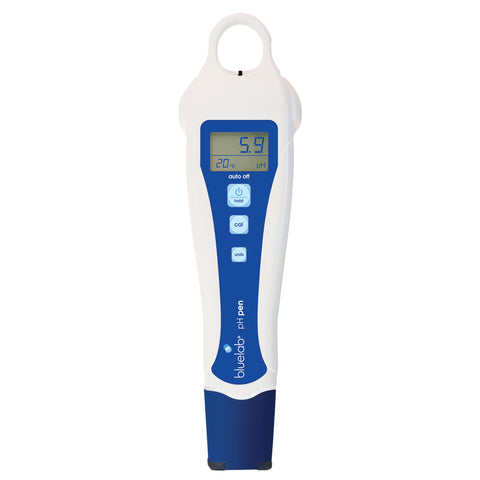
The Blue Lab pH Pen measures pH and solution temperature, making it a relevant tool for checking reservoirs, feed tanks and mixed nutrient solutions.
View the Blue Lab pH Pen or shop nutrient management equipment.
4. Lighting and environment
If you are growing indoors, your system also needs suitable lighting, airflow and temperature management. A hydroponic root zone cannot compensate for weak lighting or an unstable environment above the plant.
Shop LED grow lights | Shop complete LED grow kits
Beginner route: which system should you start with?
If you are new to hydroponics, avoid buying the biggest or most complex setup first. Start with a system you can understand and monitor consistently.
| Your starting point | System route to consider | Why |
|---|---|---|
| You want to understand water-culture growing directly | DWC, such as the Oxypot Series | Clear introduction to roots growing in an aerated nutrient solution |
| You want containers with automatic irrigation | Dripper system | Combines growing media with structured feeding and drainage |
| You are planning a larger multi-pot layout | Flood and drain system | Suitable for planned irrigation cycles across multiple containers |
| You have a crop and layout suited to channels | NFT system | Specialist option where shallow flowing nutrient solution suits the intended grow |
For most new growers, the safest buying decision is not simply choosing a system. It is choosing a system, nutrient and testing routine that you are confident you can manage.
Common mistakes when starting hydroponics
- Thinking hydroponics means plain water: plants still require a correctly managed nutrient solution.
- Buying a system without pH monitoring: incorrect pH can limit nutrient availability even when feed is present.
- Ignoring EC: nutrient strength matters, especially in reservoirs and recirculating systems.
- Choosing the most complex system first: start with a method you can check and understand.
- Assuming pests disappear: indoor and hydroponic plants can still face pest, algae and disease issues.
- Ignoring the environment: successful hydroponics still depends on appropriate light, temperature and airflow.
When should you use hydroponics? Frequently asked questions
Is hydroponics suitable for beginners?
Yes, provided the grower begins with a manageable system and accepts that pH, nutrient strength and reservoir condition need checking. A small DWC or straightforward dripper setup can be a practical starting route.
Is hydroponics easier than soil growing?
Not automatically. Hydroponics gives you greater control, but it also gives you more responsibility for water, nutrients and equipment. Soil or compost can be more forgiving for growers who want minimal monitoring.
Can hydroponics be used indoors?
Yes. Hydroponics can be used indoors where suitable light, airflow, temperature control and access to water and electricity are available.
Do hydroponic plants need nutrients?
Yes. Hydroponic plants rely on nutrient solution rather than traditional soil for their mineral nutrition. Use a hydroponic base nutrient suited to your crop and stage of growth.
Do I need a pH meter for hydroponics?
A pH meter is an important tool for hydroponic growing because pH affects how available nutrients are to the plant. EC monitoring is also strongly recommended because it helps you manage nutrient solution strength.
Which hydroponic system is best?
There is no single best system for every grower. DWC, dripper, flood and drain and NFT systems all have different strengths. Choose according to your growing area, crop, plant numbers and willingness to manage the system.
Choose a hydroponic setup that you can manage properly
Hydroponics can be a strong choice when you need to grow without traditional soil, want control over feeding and irrigation, or are building a structured indoor growing setup. The method works best when the grower chooses suitable equipment and monitors the root zone carefully.
Begin with the system type that matches your space and experience, add a suitable hydroponic nutrient and make pH and EC monitoring part of your routine from the start.
Shop hydroponic systems | Shop hydroponic nutrients | Shop pH and EC equipment