DIY Home Hydroponics: How to Start a Simple Grow System
DIY home hydroponics can be a practical way to start growing plants without soil, but a successful system needs more than a container of water and a pump. You will need a suitable growing method, hydroponic nutrients, oxygen or irrigation at the roots, dependable lighting where required, and regular pH and EC checks to keep the nutrient solution usable for your plants.
There are two sensible starting routes for a home grower. You can begin with a compact ready-made system such as deep water culture, or you can build a more involved setup around pumps, containers, reservoirs and growing media. The best choice depends on your space, crop and how much system management you are willing to take on.
Shop hydroponic systems or continue reading to plan a simple home setup.
What is DIY home hydroponics?
Hydroponics is growing plants without traditional soil, using a nutrient solution to deliver the mineral elements plants need. A home hydroponic system may use water directly around the roots or use a supporting medium such as clay pebbles while nutrient solution is delivered through irrigation.
A DIY home hydroponic setup normally needs:
- A container, pot or growing chamber for the plant
- A reservoir or water-holding system
- A way to provide nutrients and oxygen to the roots
- A suitable hydroponic nutrient
- pH and EC testing equipment
- A light source suitable for the crop and location
- A cleaning and maintenance routine
The system does not need to be large or complicated. It does need to be stable, easy to inspect and suitable for the crop you want to grow.
Should you build a DIY system or buy a ready-made system?
Building from separate parts can appeal to growers who enjoy creating their own layout or already own reservoirs, pumps and fittings. However, a home-built system also places more responsibility on you to match the pump, irrigation, drainage, container and monitoring routine correctly.
A ready-made hydroponic system can be a better first purchase when you want a proven structure and fewer compatibility decisions.
| Starting route | Advantages | Things to consider |
|---|---|---|
| Compact ready-made DWC system | Simple layout, small footprint, clear introduction to hydroponic root-zone management | Requires aeration, nutrient solution checks and reservoir management |
| DIY pumped irrigation setup | Flexible design and container layout | Requires correct pump selection, drainage, timing and leak prevention |
| Flood and drain system | Structured irrigation route for multiple containers | More advanced system planning and higher equipment investment |
The simplest home hydroponics starting route: DWC
Deep Water Culture, commonly called DWC, is a straightforward hydroponic method in which plant roots grow into an oxygenated nutrient solution. The plant is supported above the reservoir, often in a mesh pot containing a small amount of clay pebbles.
DWC is attractive for a home starter setup because the basic system is easy to understand:
- The container holds the nutrient solution
- The plant sits above the solution in a suitable net pot
- Roots grow down into the reservoir
- An air pump and air stone help oxygenate the nutrient solution
- The grower monitors pH, EC and solution condition
The Oxypot Series DWC provides a compact starting route for home hydroponics. It is available in single, XL and four-site versions, using a mesh pot and oxygenated nutrient solution for the root zone.
View the Oxypot Series DWC or shop DWC systems.
What do you need for a simple DWC home setup?
A compact DWC system removes some of the complexity of designing a system from scratch, but the grower still needs the correct supporting products.
1. A DWC growing system
Your system should provide a stable plant position above a nutrient reservoir and a way to oxygenate the solution. A ready-made system helps avoid improvised lids, poorly fitting pots or unsuitable containers.
2. Air pump, airline and air stone equipment
In DWC, roots sit in nutrient solution, so oxygenation matters. An air pump connected to an air stone helps move air through the solution and support the root zone.
The Air Pumps and Airstones collection includes Hailea air pumps, air stones and airline pump tubing for hydroponic system setups.
3. Clay pebbles or suitable support media
DWC systems commonly use a small amount of clay pebbles to support the plant in a mesh pot while allowing roots to access the nutrient solution below.
The Clay Pebbles collection includes CANNA Aqua Clay Pebbles and other media options for hydroponic system use.
4. A hydroponic nutrient
Hydroponic plants do not grow on plain water. They need a complete nutrient solution suited to the crop and stage of growth.
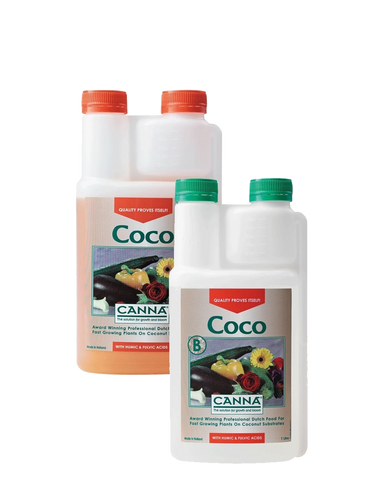
The Growth Technology Ionic Hydro Grow product is a single-pack mineral nutrient designed for hydroponic growth stages. When plants move into flowering or fruiting, choose the bloom nutrient or feeding programme suited to that stage.
View Ionic Hydro Grow | View Ionic Hydro Bloom
5. pH and EC testing equipment
A hydroponic reservoir needs checking regularly because nutrient solution conditions can change as plants feed and water is used. pH affects nutrient availability, while EC helps you monitor the concentration of the nutrient solution.
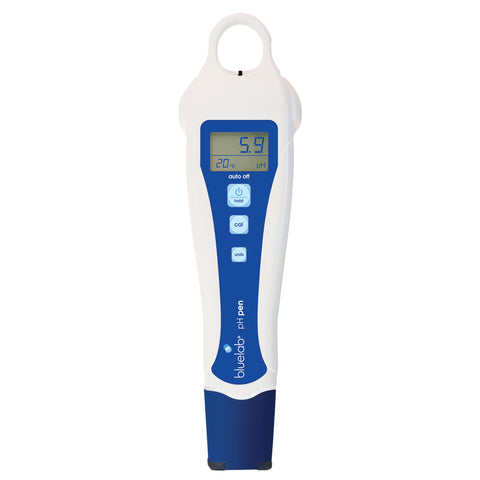
The Blue Lab pH Pen measures pH and solution temperature for reservoirs and mixed feeds. It should be used alongside suitable EC testing equipment when managing a hydroponic nutrient solution.
View the Blue Lab pH Pen or shop nutrient management equipment.
Building a DIY pumped hydroponic system
Some home growers want to assemble a system using pots, a reservoir, tubing and a water pump. This can work, but it should not be approached as simply putting plants in a tray and switching a pump on.
A pumped system normally requires:
- A light-proof reservoir suitable for holding nutrient solution
- Containers or trays suitable for the intended irrigation method
- A water pump matched to the system layout
- Tubing, fittings and reliable drainage
- A timer or controller where timed irrigation is needed
- A suitable growing medium
- Hydroponic nutrients
- pH and EC meters
- Access for inspection, cleaning and reservoir changes
Do not set irrigation timing by copying a fixed instruction from an old guide. Watering frequency depends on the type of system, the growing medium, the crop, plant size, root development and environmental conditions.
Is flood and drain suitable for a DIY home grow?
Flood and drain systems periodically bring nutrient solution into the root area before allowing it to drain back into a reservoir. This can be an effective hydroponic method, particularly when managing multiple containers in a planned layout.
However, it is not automatically the simplest or cheapest home starting point. A flood and drain build needs appropriate containers, reliable filling and draining, pump control, reservoir management and a clear plan for nutrient monitoring.
NPK currently stocks IWS Flood and Drain Pro Remote systems for growers who want a structured system route rather than building an improvised setup from mismatched parts.
What plants are suitable for home hydroponics?
Some crops are more realistic for a first home hydroponic setup than others. Begin with plants that suit the system size, lighting available and the amount of management you can provide.
| Crop type | Examples | Starting notes |
|---|---|---|
| Leafy greens | Lettuce, salad leaves, spinach | Useful starting crops where lighting and temperature are suitable. |
| Herbs | Basil, mint, parsley | Good home-growing options when plants receive suitable light. |
| Fruiting crops | Chillies, peppers, tomatoes, cucumbers | Possible, but need stronger light, more space and careful feeding. |
Do not select a crop only because it can technically be grown hydroponically. Select one that matches the space, light output and system you are prepared to manage.
Lighting for DIY home hydroponics
If your system is indoors or natural daylight is limited, plants will need appropriate grow lighting. Modern LED grow lights provide a practical route for indoor growing because they are available in different outputs for compact and larger growing areas.
For leafy greens and herbs, match the LED fixture to the area being covered and the crop requirements. For fruiting crops such as chillies and tomatoes, allow for a longer growing period, a wider plant canopy and greater light demand.
Shop LED grow lights or shop complete LED grow kits.
How often should you check a home hydroponic system?
A home hydroponic system should be checked regularly, especially while you are learning how the reservoir changes over time. Leaving pH unchecked for two weeks can allow problems to develop before you notice symptoms on the plant.
Build these checks into your routine:
- Check plants and system operation regularly: look for leaks, blocked lines, failed pumps, weak airflow or unhealthy roots.
- Check pH frequently: nutrient solution pH can move as plants take up water and nutrients.
- Check EC regularly: this helps show whether the solution is becoming too weak or too concentrated.
- Check reservoir level and temperature: roots perform best when the solution is kept in a suitable condition.
- Keep equipment clean: light entering a nutrient reservoir and neglected system parts can encourage algae and hygiene problems.
Common DIY hydroponics mistakes
- Starting without a pH meter: nutrient availability depends on solution conditions, not just what you pour into the tank.
- Ignoring EC: overfeeding and underfeeding are harder to identify without measuring nutrient strength.
- Using a clear reservoir: nutrient solution should be protected from light to reduce algae problems.
- Choosing a pump before planning the system: pump size and type should suit the intended route, not be selected at random.
- Assuming all crops need the same setup: leafy crops, herbs and fruiting plants have different demands.
- Buying a complex system first: a manageable DWC setup may teach the essentials more clearly than a larger multi-pot build.
DIY home hydroponics: frequently asked questions
What is the easiest hydroponic system to start at home?
A compact DWC setup can be one of the clearest introductions to hydroponics because it uses a simple plant position, nutrient reservoir and aeration method. The best choice still depends on your crop and available space.
Can I build a hydroponic system myself?
Yes, but a DIY system needs appropriate containers, pumps or aeration, nutrient solution, testing equipment, lighting where required and a reliable maintenance routine. A ready-made starting system can reduce compatibility problems.
Do I need nutrients for hydroponics?
Yes. Hydroponic plants rely on nutrient solution to supply essential mineral elements. Plain water is not a complete growing programme.
Do I need to test pH?
Yes. pH affects nutrient availability and should be checked frequently in a hydroponic reservoir. EC monitoring is also recommended to manage nutrient strength.
Can I grow vegetables hydroponically at home?
Yes. Leafy greens and herbs can be practical starting crops. Fruiting vegetables such as chillies and tomatoes can also be grown, but they normally require stronger lighting, more space and closer feeding management.
Should I build a flood and drain system as my first setup?
Not automatically. Flood and drain can be effective, but a compact DWC setup may provide a simpler introduction to hydroponics for a first home grow.
Start your home hydroponic setup with the right equipment
DIY home hydroponics can be rewarding when the system is planned around the crop, growing space and level of maintenance you can realistically provide. Start small, use a suitable hydroponic nutrient and treat pH and EC monitoring as essential parts of the setup rather than optional extras.
For a straightforward starting route, consider a compact DWC system such as Oxypot. For growers with a more developed system plan, browse the wider hydroponic system, pump and nutrient management collections.
Start with an Oxypot DWC system | Shop hydroponic systems | Shop pH and EC equipment